The Independent Artists Blueprint to Success in 2026
Music Industry
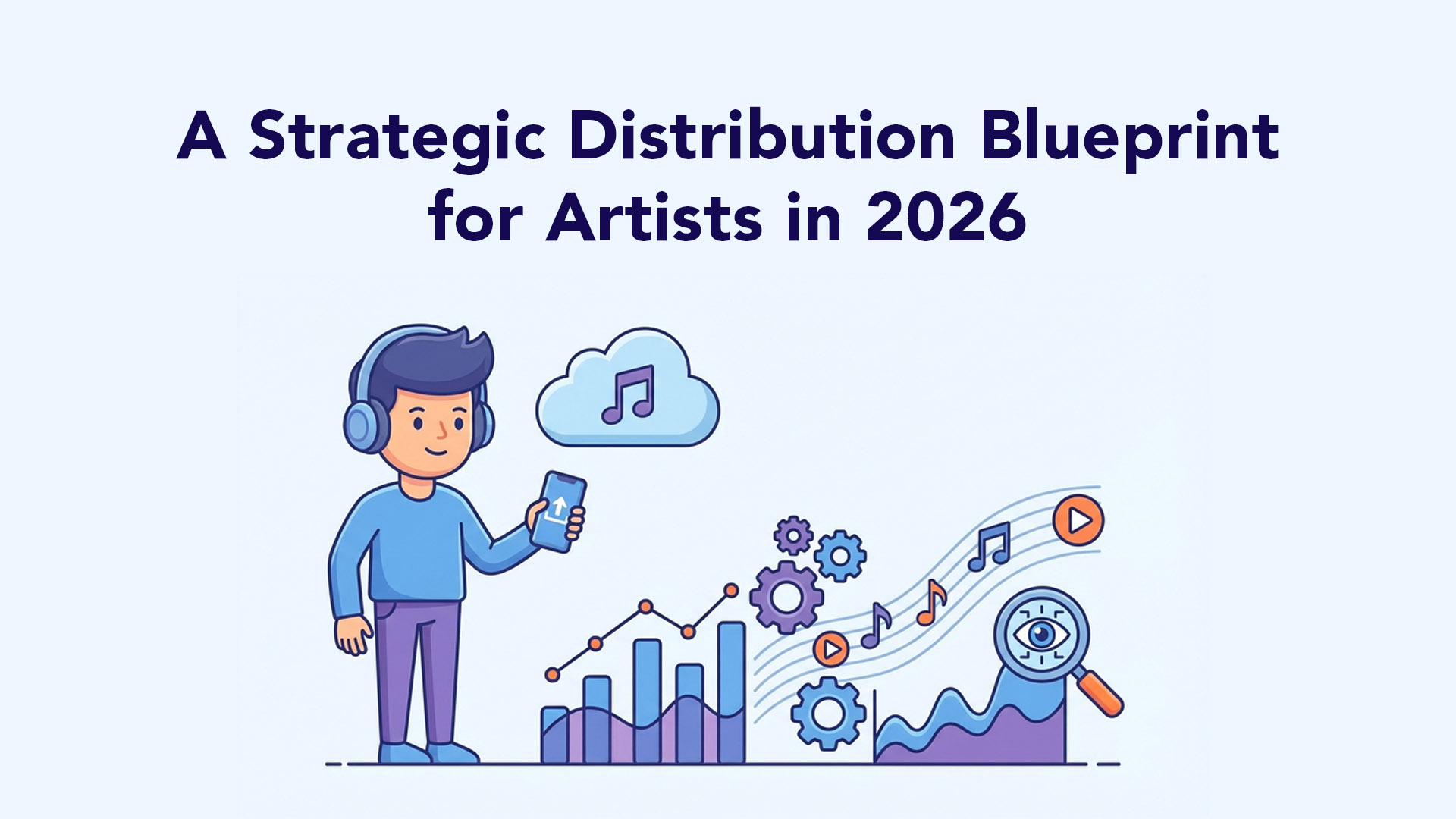
A Strategic Distribution Blueprint for Artists in 2026
The music industry has evolved into an environment where independent artists can compete on a global level without the backing of major labels. In 2026, success is no longer about access — it is about strategy. With the right distribution partner, artists can release music worldwide, maintain full ownership, and build sustainable careers rooted in data, branding, and direct audience engagement.
Quality First: The Foundation of Growth
Every successful release begins with exceptional music. Strong songwriting, professional production, and polished mastering are non-negotiable in a competitive global market. Distribution amplifies what already works. When a track meets industry standards, it stands a real chance of cutting through crowded platforms and gaining traction with both listeners and curators.
Global Platform Access with Strategic Positioning
Modern distribution ensures your music reaches leading streaming services including Spotify, Apple Music, Amazon Music, Deezer, and YouTube. However, true value lies beyond simple delivery. Artist dashboards on these platforms provide access to playlist pitching tools, streaming analytics, audience insights, and profile optimization features. A professional distribution strategy ensures that every release is properly prepared, formatted, and positioned to take advantage of these growth tools.
Ownership Without Compromise
One of the defining advantages of independent distribution is complete creative and financial control. Artists retain 100 percent ownership of their music while benefiting from global reach. This balance between independence and infrastructure allows artists to scale their careers without sacrificing rights, royalties, or artistic direction. Sustainable success begins with protecting what you create.
Direct-to-Fan Infrastructure
While streaming platforms drive discovery, long-term growth depends on building direct relationships. A professional website and structured mailing list provide stability in a constantly shifting digital landscape. Email marketing enables artists to communicate directly with their most engaged supporters, promote releases, announce tours, and introduce merchandise without relying solely on algorithm-driven visibility.
Social Media as a Discovery Engine
Social platforms remain critical to music marketing in 2026. Strategic engagement across Instagram, TikTok, Facebook, Twitter, and Snapchat helps convert attention into streams. Consistent branding, short-form video content, behind-the-scenes storytelling, and coordinated release campaigns drive listeners toward streaming platforms, reinforcing distribution efforts.
The Power of Playlisting
Playlist placement continues to be one of the most powerful accelerators of streaming growth. Editorial playlists, independent curator lists, and algorithm-driven recommendations can significantly increase exposure and revenue. A structured release plan — including pre-save campaigns, accurate metadata, and timely pitching — improves the likelihood of placement. Professional distribution ensures that music is technically optimized and strategically submitted for maximum opportunity.
Credibility Through Media and Visual Content
Press coverage strengthens reputation and expands audience reach. Features in music blogs and digital publications create narrative momentum around a release. At the same time, compelling visual content enhances impact. Artists such as OK Go and Childish Gambino have demonstrated how powerful visual storytelling can amplify music far beyond traditional channels. When combined with global distribution, strong visuals become a multiplier for audience growth.
Building a Professional Ecosystem
Independence does not mean isolation. Strategic collaboration with managers, publicists, booking agents, and marketing professionals strengthens long-term positioning. A distribution partner plays a key role in this ecosystem by providing data insights, release planning guidance, and market analysis that inform smarter decisions over time.
Turning Streams into Sustainable Careers
Streaming performance gains greater value when supported by live shows, touring, and fan engagement initiatives. Concerts transform digital listeners into loyal supporters, while strong streaming numbers reinforce booking opportunities. When distribution, marketing, and live performance operate in alignment, artists create momentum that compounds over time.
Distribution as the Infrastructure of Modern Success
In 2026, independent success is built on a foundation of quality music, global platform access, data-driven strategy, audience connection, and ownership protection. Distribution is no longer a simple upload service. It is the infrastructure that powers visibility, growth, and long-term independence.
Artists who approach their releases strategically — with the right partner and the right plan — position themselves not just to launch music, but to build enduring careers.
Categories
Recent Posts
-
 How to Create a Music Video Using AI in 2026 22 Feb 2026
 -
-

-
-
-